





November is the month whitetail hunters wait for all year. The woods can go from seemingly lifeless to complete chaos in a matter of minutes. A buck that has been moving exclusively after dark can suddenly appear at 11 in the morning, nose to the ground, following a doe through a funnel he’s never used before.
But November 2026 is shaping up to present some interesting challenges. We’re entering the heart of the rut just as weather systems are moving across much of the country, and longer-range forecasts are suggesting above-normal temperatures across portions of the Northeast and Midwest.
That combination makes understanding deer behavior even more important. When a cold front lines up with the chasing phase, hunters can experience exceptional daylight movement. But when temperatures stay warmer than expected, knowing where to intercept bucks moving between doe bedding areas can be the difference between success and an empty stand.
The biggest mistake hunters make in November is treating the entire month as one continuous rut. In reality, bucks transition through seeking, chasing, tending, and scattered breeding activity as individual does enter estrus at different times.
For hunters across the Northeast and much of the Midwest, November 5 through November 11 deserves special attention this year. It’s a period when increasing chasing activity, late-morning movement, and changing weather could create some of the best opportunities of the season.
Here’s our breakdown of the best days to hunt in November 2026, what the weather patterns are telling us, and how to adjust your strategy as the rut progresses.
The Best Hunting Window: November 5–11
Our top recommendation is to prioritize November 5–11, with particular emphasis on November 8–11 for all-day sits and late-morning cruising bucks.
The combination of increasing chasing activity, receptive does, and changing weather patterns makes this an attractive window for hunters targeting mature bucks. November 12–16 also deserves serious attention as more breeding activity develops.
Best tactic: Get between doe bedding areas and hunt travel funnels from early morning through the middle of the day. Don’t assume the hunt is over when the morning feeding movement stops.
Jump to a Section
Best Days to Hunt the November 2026 Whitetail Rut
If you’re planning vacation time, deciding when to take an all-day sit, or choosing when to move into a stand you’ve been saving all season, these are the windows we’d focus on.
These recommendations are based on expected rut progression in northern whitetail populations, historical breeding patterns, and the currently available weather outlook. They are not guarantees of movement on individual dates.
November 3–4: Watch the Approaching Front
A developing storm system across the central United States is moving east, bringing precipitation and changing conditions to portions of the Midwest before reaching the Northeast.
These are worthwhile days to monitor wind direction, pressure changes, and local deer activity. Bucks should increasingly be checking doe groups and making excursions beyond their established October ranges.
Focus on scrape-line intersections, the downwind edges of doe bedding cover, and funnels between known doe concentrations.
Best tactic: Hunt morning travel corridors and established doe bedding routes. Use the approaching system to select stands with favorable winds rather than assuming every pre-front hour will be productive.
November 5–7: Chasing Activity Builds
This is when things can get interesting. As more does approach estrus, bucks increasingly shift from methodically checking sign to actively pursuing receptive females.

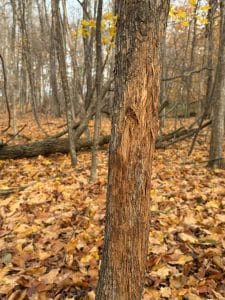
A buck that spent the last two weeks checking scrapes after dark may suddenly appear on the downwind side of a bedding area well after sunrise.
The advancing weather system could also produce useful changes in local conditions. The National Weather Service expects the initial front to reach the Northeast and Mid-Atlantic around Thursday, November 5, with unsettled weather continuing in portions of the eastern United States afterward.
Rather than automatically choosing the coldest day, pay attention to the first huntable period when rain or strong wind begins to ease and your stand access becomes favorable.
Best tactic: Hunt funnels connecting doe bedding areas. Stay until at least late morning, especially where multiple bedding locations overlap.
November 8–11: Prime Time for Cruising Bucks
If I were choosing several days to dedicate to the November rut, this window would be near the top of my list.
By this point, chasing activity can be intense across much of the northern whitetail range. Bucks are checking receptive does, moving between doe groups, and occasionally traveling well beyond their normal daylight patterns.
One of the most overlooked opportunities during this period is late-morning movement. Hunters often climb down around 9:30 or 10 a.m., assuming the best activity is over. But a cruising buck may travel through a bedding-area funnel at 10:45, 11:30, or even later.
The timing of breeding activity creates the opportunity. Bucks are no longer motivated only by food or established travel routines. They’re searching for receptive does, and that search can happen during daylight.
November 9 also brings the new moon. While the moon itself shouldn’t be treated as a guaranteed movement trigger, the date falls within a biologically promising part of the rut.
There is a weather consideration, however. NOAA’s November 2 outlook favors above-normal temperatures across the Northeast and Great Lakes during November 8–12. That doesn’t mean the hunting will be poor. It means hunters should put additional emphasis on cover, access, wind direction, and the location of receptive does instead of waiting for a major freeze that may not arrive.
Best tactic: Commit to an all-day sit in a proven funnel or on the downwind side of a doe bedding area. Pay particular attention to movement between 9 a.m. and 2 p.m. This is not a guaranteed peak, but it is a period worth staying in the stand for.
November 12–16: When Chasing Turns to Tending
For many northern whitetail populations, the middle of November is an important breeding period. Pennsylvania Game Commission conception research places the median conception period in mid-November, providing a useful biological benchmark for hunters across similar northern regions.
As more does become receptive, some mature bucks will spend extended periods tending individual females. This can create the appearance of a sudden reduction in buck activity.
Hunters sometimes call this the lockdown. It doesn’t mean the rut has stopped. It means a portion of the buck population may be spending more time with receptive does in secluded cover.
During this phase, don’t abandon a productive property simply because a mature buck has disappeared for a day or two. He may be tending a doe in a nearby thicket, creek bottom, or overlooked bedding pocket.
At the same time, bucks between receptive does can still cover considerable ground, occasionally appearing in daylight when hunters least expect them.
Best tactic: Hunt the edges of secluded doe bedding cover and pinch points connecting thick habitat. Avoid unnecessary intrusion into the center of bedding areas.
November 17–22: Don’t Mistake Quiet Woods for a Finished Rut
By the third week of November, hunters may start seeing fewer bucks openly chasing does. That doesn’t necessarily mean breeding activity has ended.
Some bucks remain locked down with receptive females, while others begin searching again after separating from a doe. This can create unpredictable but rewarding windows of daylight movement.
A hunter sitting over an exposed scrape or open field might see little activity, while someone watching a secluded transition between bedding areas could encounter a mature buck moving at midday.
Because reliable day-specific weather forecasts are not yet available for this portion of the month, these dates are a rut-based planning window rather than a forecast of favorable weather.
Best tactic: Stay close to doe concentrations, watch fresh trail-camera activity, and be ready to hunt when a favorable wind or changing weather creates an opportunity.
November 23–30: Food Sources and Remaining Receptive Does
As the primary breeding period begins to wind down in many northern areas, food sources become increasingly important again.

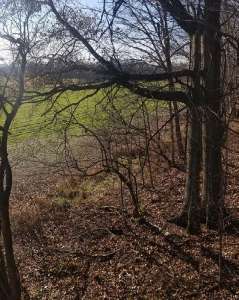
Standing corn, harvested agricultural fields, winter wheat, remaining acorns, and other available food can concentrate does. Bucks searching for the remaining receptive females may follow those groups.
November 24 is the full moon, but hunters shouldn’t assume that event will automatically produce a surge in daytime movement. The more useful questions involve where deer are feeding, which does remain active, and whether changes in weather or hunting pressure are altering their travel patterns.
A late-month cold front could provide an excellent opportunity if it produces huntable conditions, but a specific front cannot reliably be assigned to these dates this far in advance.
Best tactic: Set up between secure bedding areas and productive food sources. Monitor late-season doe groups and focus on the first favorable movement window following a local weather change.
November 2026 Weather: What the Forecast Means for Deer Hunters
Weather may be the biggest variable hunters have to work around this November. Cold fronts, rain, changing winds, and temperature swings can influence when and where deer movement is visible.
But the current forecasts suggest hunters across the northern part of the country should not count on a continuous stretch of below-normal temperatures during the middle of the month.
November 3–5: A Front Moving from the Midwest Toward the Northeast
The National Weather Service reports that an organized low-pressure system is moving eastward across the central United States.
Precipitation is expected across portions of the northern Plains and Upper Midwest, with showers and thunderstorms farther south in the Mississippi Valley. The associated front is forecast to reach the Northeast and Mid-Atlantic around Thursday, November 5.
For hunters, this is a system worth watching for changing wind direction, periods of rain, and any clearing weather that follows.
Additional upper-level disturbances could maintain unsettled conditions over parts of the eastern United States into November 10.
November 8–16: Above-Normal Temperatures Are Favored
Here is where the forecast becomes particularly interesting for rut hunters.
NOAA’s Climate Prediction Center outlook issued November 2 favors above-normal temperatures for much of the Northeast and Great Lakes region during November 8–12. The November 10–16 outlook also favors above-normal temperatures across much of the country, including New York, Pennsylvania, and several Midwestern states.
Parts of the Midwest have an increased likelihood of below-normal precipitation during November 8–12, while the November 10–16 period trends relatively drier across portions of the Great Lakes and Northeast.
Those are regional probability outlooks, not predictions that every day will be warm or dry. A local cold morning or passing front is still possible.
The biggest lesson for hunters is that the rut doesn’t stop just because afternoon temperatures rise. Receptive does are still driving buck behavior. When the weather is less comfortable for sustained daytime travel, it becomes even more important to identify travel corridors that allow bucks to move between doe groups while remaining close to cover.
November 2026 weather takeaway: Don’t wait for perfect cold weather to hunt the biological peak of the rut. If you’ve identified a productive doe bedding funnel and have a favorable wind, that location may be more valuable than a colder day in an unproductive stand.
Source: NOAA Climate Prediction Center, November 2, 2026.
The Rest of November: Watch for Changes, Not Guaranteed Cold Fronts
NOAA’s updated November monthly outlook favors above-normal temperatures across much of the northern United States. The outlook also notes uncertainty in the evolving atmospheric pattern, including the possibility of changes in northern circulation later in the month.

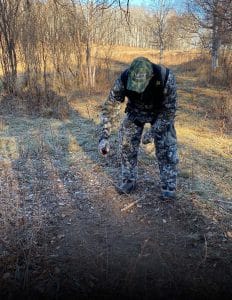
frequently as the first estrus subsides they are most often reopened and
visited regularly just prior to and during the second estrus
That makes it impossible to responsibly identify exact late-November cold-front dates at this point. Instead, hunters should monitor local forecasts as the month progresses.
A 10-degree temperature drop, rain ending before daylight, or a shift to a favorable wind may create a useful hunting opportunity. But those conditions have to be evaluated locally rather than assumed from a national forecast.
Hunters should also pay attention to whether a front actually changes deer movement on their property. Weather patterns can create opportunities, but they don’t guarantee that bucks will move past a particular stand.
How to Hunt the Seeking, Chasing, and Tending Phases
Knowing the date is useful. Knowing what the deer are doing is better.
As November progresses, a mature buck’s priorities can change dramatically. The same stand that produced repeated daylight sightings during seeking may go quiet when bucks begin chasing or tending receptive does.
Seeking: Hunt Where Bucks Expect to Find Does
During seeking, bucks expand their travel routes to locate receptive females. They may check scrape lines, scent-check bedding cover, and move through established travel corridors.
This is an excellent time to hunt funnels, terrain pinch points, creek crossings, and the downwind sides of doe bedding areas.
One mistake hunters make is setting up directly over a scrape that has been visited after dark. Instead, look at how the scrape fits into a larger travel route. A mature buck may check multiple locations while moving between bedding areas.
Try to intercept that movement where terrain forces him through a smaller area.
Chasing: Stay in the Stand Longer
Once chasing begins, traditional movement patterns can become unreliable. Bucks may cover substantial ground pursuing does, sometimes abandoning locations they visited consistently throughout October.
This is when hunters need to be patient.
During the November 5–11 window, I’d pay particular attention to late-morning movement. A buck checking doe bedding areas might pass a funnel several hours after sunrise.
Rather than leaving the stand as soon as the morning feeding movement stops, remain in position if the wind is still favorable and the area has a strong concentration of does.
Funnels connecting multiple doe bedding areas become especially attractive. One stand might intercept bucks traveling between several groups of females without forcing the hunter to enter the bedding cover itself.
Tending: Hunt Close to Cover Without Ruining It
As more does enter estrus, mature bucks may spend extended periods tending individual females. Their movement can become less predictable because they’re focused on keeping a receptive doe nearby.
These deer often use thick cover, secluded draws, brushy creek bottoms, and overlooked pockets of timber.
That doesn’t mean hunters should blindly push into the thickest bedding area on the property. Intrusive scouting can pressure the very deer they’re hoping to intercept.
A better approach is to identify exits, crossings, and transition zones close enough to cover to catch movement without exposing the hunter’s entry route.
If fresh sign or a daylight trail-camera sighting suggests a buck has moved into a particular area, consider hunting it when the wind and access conditions are favorable.
Should You Hunt All Day During the Rut?
During the most active chasing periods, all-day sits can be particularly rewarding. Bucks may move outside traditional feeding hours, including the middle of the day.
But that doesn’t mean every hunter should sit all day regardless of location.
An all-day hunt makes the most sense when you’re positioned near doe bedding cover, on a productive funnel, or along a travel route bucks may use while searching for receptive females.
In less productive habitat, changing locations or concentrating on the best morning and evening opportunities may be more effective.
Our Favorite November Strategy
Find two or three doe bedding areas connected by a narrow travel corridor. Choose a stand that allows clean access with a favorable wind, then commit to the late morning during November 5–11. You’re not necessarily hunting a specific buck’s daily pattern. You’re hunting the route that multiple bucks may use while looking for receptive does.
November 2026 Moon Phases: Do They Matter During the Rut?
Every November, hunters debate whether the moon controls the timing of the rut. Some swear by new-moon periods, others focus on full-moon movement, and plenty believe that certain moonrise and moonset times influence when deer will be on their feet.
There’s nothing wrong with tracking lunar conditions, but hunters should be careful about treating them as a prediction of peak breeding.
Whitetail breeding in northern populations follows a relatively consistent seasonal pattern driven largely by photoperiod. Pennsylvania Game Commission research found that peak breeding remains centered around mid-November even though the timing of the so-called rutting moon varies.
For November 2026, these are the major moon phases.
Moon timing source: Timeanddate.com, November 2026 lunar calendar.
For hunters deciding when to spend their vacation days, I’d put much greater weight on the historical rut window, the location of does, access conditions, and local weather than on any single lunar phase.
A new moon falling on November 9 is interesting because it occurs during a promising period for chasing. But the underlying reason to hunt that window is the expected breeding behavior, not a guarantee created by the moon.
The November Takeaway: Hunt the Does, Watch the Weather, and Stay Flexible
November isn’t one continuous rut phase. It’s a changing combination of seeking, chasing, tending, and scattered breeding activity. One property may have bucks aggressively chasing does while another only a few miles away appears unusually quiet.
For 2026, we’d put the greatest emphasis on November 5–11, followed closely by November 12–16 as the primary breeding period continues developing across northern whitetail populations.
The weather adds another layer. With above-normal temperatures favored across much of the Northeast and Midwest during the middle of the month, hunters shouldn’t sit at home waiting for the perfect cold front.
Instead, focus on what you can control. Identify doe concentrations. Hunt travel corridors and terrain funnels. Protect your stand access. Monitor changing winds, and recognize that bucks can move during daylight even when the weather isn’t ideal.
As the month progresses and more bucks begin tending receptive does, shift your attention toward secluded bedding cover and overlooked travel routes. Later in November, pay closer attention to available food sources and the does that continue using them.
Above all, don’t abandon a productive location just because movement slows for a day or two. The rut can change quickly, and the next receptive doe may bring a mature buck through a stand that appeared completely lifeless the day before.
November rewards the hunters who recognize when the woods have changed and are willing to adjust with them. Stay patient, hunt intelligently, and make the most of the daylight hours you’re given.
That buck you’ve been waiting for might show up when you least expect him.
Forecast note: Weather information was reviewed November 3, 2026, using NOAA Weather Prediction Center and Climate Prediction Center outlooks. The recommended hunting windows are editorial estimates based on rut biology and forecast conditions, not guaranteed deer-movement predictions. Rut timing varies by region, particularly in Southern states. Always consult updated local forecasts and hunting regulations before heading afield.
Prepare for Your November Hunts
Planning long sits during the peak rut? Read our Best Cold Weather Hunting Boots of 2026 guide to help keep your feet comfortable.
You can also explore our Best Late Season Hunting Jackets and Bibs of 2026 for complete cold-weather clothing systems.