Lush deer habitat can make a hunting property better for wildlife, more enjoyable to hunt, and more attractive when it is time to sell or lease. Food plots, access trails, timber stand improvements, water sources, and documented management plans all play a role in how deer use a property — but some improvements also help buyers see immediate value. In this story, the author explains how landowners can think like both habitat managers and real estate investors, focusing on practical improvements that benefit deer while making hunting land more usable, marketable, and valuable. I have spent years focused on making properties better for deer. Food plots, timber work, bedding areas, the whole deal. But it was not until I got my real estate license here in Tennessee that I started looking at these same improvements through a different lens. How much do they actually help when it is time to sell or lease the land?
Do not get me wrong. I still believe strongly in doing the right things for the deer and the habitat. But buyers, especially the ones shopping for hunting property, care about more than just wildlife numbers. They want something that feels usable, showable, and like a good investment from day one. They are thinking about access, curb appeal, future potential, and carrying costs.
A few weeks ago, I got a perfect example of this on a 73-acre tract in southern Tennessee. Beautiful bottomland in a riparian zone, surrounded by row crops. The timber value was nothing to write home about, but the structure and location screamed good deer hunting. The problem hit me the second we tried to walk it. There was basically no access. No trails, no roads, just briars and thick stuff. I hiked it anyway and gave the seller my thoughts, but most of them boiled down to one thing. We need to get some access trails in before we list this thing. Nobody wants their first experience shopping for a hunting property to be crawling through thorns. That kind of thing kills interest fast, no matter how good the deer habitat is.
That experience really drove home the point I want to make in this article. Some habitat work just improves the woods for deer. Other improvements, the ones done with a little real estate mindset, can make the property more desirable to buyers and actually help it bring more money or lease faster. Here is what I have seen work in the Tennessee market.
Access Trails
Access is always king. This is true from a hunting perspective, but it is just as important from a sales perspective. It is hard to sell a property that you cannot easily show.

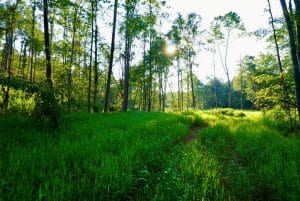
I ran into this exact situation a few weeks ago on that 73-acre bottomland tract in southern Tennessee. The parcel sat in a nice riparian zone surrounded by row crops. The timber value was marginal, but the structure and location made it a solid deer hunting tract. As soon as we arrived, I realized there was no real access for a side-by-side or four-wheeler. I walked the parcel anyway to give the owner my thoughts. Most of those thoughts came back to one main recommendation. We needed to establish some access trails before listing it.
I told the seller that if she listed the parcel as is she would be lucky to get 5 to 6 thousand dollars per acre. But if she spent a little money upfront to add some access trails, she might bring in 7 to 8 thousand per acre. Nobody wants their first experience shopping for hunting property to be crawling through briars and thick stuff. A good set of trails changes everything. They make the parcel approachable for potential buyers right away. They also add a tremendous amount of usable space for the new owner or hunter. When you install them right you can plan for future fire breaks, food plots, and stand access all at the same time. The trails break up the closed canopy and allow more sunlight to reach the ground. That creates more diversity on the landscape and better habitat for deer.
From a real estate standpoint, properties with decent internal access simply show better and sell faster. Buyers can picture themselves using the land instead of fighting it. If you already have equipment on the property for timber work or food plots, adding some strategic trails at the same time is one of the highest return improvements you can make.
Habitat work can mean long days walking rough ground, clearing brush, operating equipment and moving between mud, timber and hard surfaces. If you spend as much time working your hunting property as hunting it, North American Outdoorsman compared the best work boots for everything from rugged outdoor work to wet conditions and long days on your feet.
Not Every Deer Habitat Improvement Adds Equity
Not every good habitat improvement automatically increases what a buyer will pay. That is an important distinction to make up front.
Take invasive species control, for example. I always encourage landowners to treat Japanese stiltgrass, bush honeysuckle, or autumn olive. It helps native plants come back and improves the overall health of the property for deer. But when I am honest with a seller, treating stiltgrass along the roads or in the woods usually does not move the sale price. Most buyers are not biologists. They do not see that work the same way we do.
The same goes for planting fruit trees or chestnut seedlings. I have done my share of hauling water buckets to the back of a property in the middle of summer. Those trees can produce great deer food once they get established. But from a real estate perspective, they are sweat equity, not actual equity. A buyer driving by or walking the land does not see the long-term benefit the same way. They are thinking about what they can use right now.
This does not mean you should skip those practices. They are still the right thing for the habitat. I just want landowners to understand the difference. Some improvements mainly help the deer. Others help both the deer and the property value when it is time to sell or lease. The rest of this article focuses on the ones that tend to do both. Even ‘sweat equity’ improvements can be leveraged during a sale if they are documented. A buyer may not notice that you treated 10 acres of autumn olive, but presenting a log, receipts for herbicide, and a map of the completed work clearly shows an investment has been made, saving them significant time and money. This turns a long-term chore into an immediate benefit for the new owner.
Deer Habitat Timber Stand Improvements
Timber stand improvement is one area where habitat work and property value line up well. Things like a shelterwood cut or crop tree release let you fix problems left over from past poor timber management. You might not make much money on the first harvest. In some cases, you might even spend a little. But you can correct the species composition in your woodlots so that future harvests are more productive.

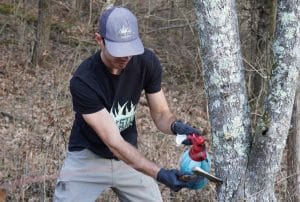
For deer, this work pays off quickly. Opening up the canopy lets more sunlight reach the forest floor. That grows more browse and forbs. If you focus on releasing good mast trees like oaks you get better acorn production down the road. Deer benefit from both the immediate food and the cover structure that develops.
From the real estate side, buyers notice managed timber. They see a property that has been thought about instead of just cut over. A good stand improvement project shows future timber value while creating better hunting right now. It also helps with programs like Tennessee Greenbelt. A solid forest management plan that includes this kind of work can keep your property taxes based on use value instead of full market value. That lower carrying cost makes the tract more attractive to serious buyers.
If you are already planning a timber harvest or trail work, this is a perfect time to layer in crop tree release or shelterwood cuts. It is one of those improvements that pays you back in both habitat quality and long-term property value.
Visible Deer Habitat Features
Adding wildlife clearings, food plots, and other high-visibility features is one area where habitat work really helps draw buyer interest. A well-managed woodlot is productive for deer, but it does not catch the eye the same way as a vibrant food plot next to a stand of native wildflowers or a nicely feathered edge.


Perennial plots with clover or chicory give solid deer nutrition. Separate pollinator plantings and buffer strips add great habitat and bring a splash of color that buyers notice right away. That extra color and life on the edges can even help convince a hesitant spouse that the property is a good investment. These features show the land is already being managed for deer instead of the buyer having to start from scratch. During showings, people can picture themselves hunting over those plots or watching deer use them.
I have seen this make a real difference in how fast a property gets interest and what buyers are willing to pay. It turns the land from something that sounds good on paper into something they can see working. If you are already running equipment for trails or timber work, it is a good time to carve out a few clearings or plots at the same time.
The key is keeping them practical and visible from access points or roads where possible. That way, they add both real deer value and that important first impression that helps sell the property.
Deer Habitat Water Features
Adding water sources is another improvement that benefits both deer and property value. If you already have equipment on the property working on trails or doing timber work, ask the operator if they can dig out a small wildlife pond or two while they are there. It does not take much extra time or money when the machine is already on site.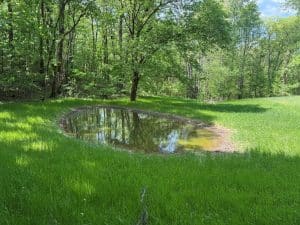

Deer need water just like we do, especially during dry periods in the summer. A few small ponds or waterholes spread across the property can really improve habitat. From the buyer side, people simply like water. They see fishing potential, duck hunting possibilities, or just the aesthetic appeal of having water on the land. It makes the property feel more complete and usable.
I have watched listings highlight even modest ponds as a big plus. It gives buyers something tangible they can see and imagine enjoying with their family or hunting buddies. When done right, these small water features deliver solid returns for both wildlife and resale appeal.
Professional Planning for Better Deer Habitat
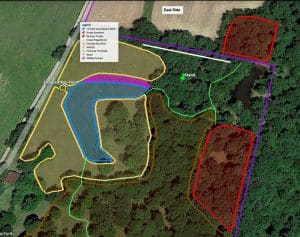
One of the smartest things you can do is document your improvements and put together a professional habitat management plan. Whether you work with NRCS, a consulting forester, or a trusted consultant, a written master plan turns all your hard work into something a buyer can clearly see and understand.
Buyers like knowing they are stepping into a proven system instead of starting from zero. A good plan includes maps, timelines, before and after photos, trail camera pictures, and records of what you have done. It shows exactly how the property has been managed for deer and what still needs to be done. That gives buyers confidence and makes your land stand out from raw, unmanaged tracts.

Trail cameras deserve a special mention here. Nothing sells a property faster than photos of mature bucks using the land. Keep a catalog of your best trail cam pictures with dates and locations. These shots prove the property is holding deer and they are far more valuable in a listing than grip and grin harvest photos. When buyers see consistent big buck activity, it gets their attention. Food Plots can help.
Putting together this kind of documentation does not have to be complicated or expensive. But it can make a real difference in how quickly the property sells and what buyers are willing to offer. It turns your sweat equity into something visible and valuable on paper.
Tax Options and Other Considerations
The Tennessee Greenbelt program is worth mentioning because it can make a big difference in carrying costs. If your property qualifies, usually 15 acres or more in forest or open space, you can have it taxed on its use value instead of full market value. A solid forest or habitat management plan that includes timber stand improvement or other work we have talked about helps strengthen your application. Lower annual taxes make the property more attractive to buyers who plan to keep it in wildlife or timber use.
Other states have similar landowner incentive programs, so it is always worth checking what is available in your area. That said, not every buyer loves Greenbelt. Some see the program as a handicap because it comes with restrictions and potential rollback taxes if the land use changes later. Be upfront about it when selling. The right buyer will see the tax savings as a plus. The wrong buyer might not. Either way, it is another tool in the toolbox that pairs well with the improvements above.
Conclusion
Improving habitat for deer does not have to be separate from enhancing your property’s value. When you think like both a steward and a real estate investor, you get the best of both worlds. Focus on the improvements that give buyers something they can see and use right away: good access, visible food plots and clearings, strategic timber work, water features, and solid documentation.
Not every habitat practice will raise the sale price, and that is okay. Keep doing the right things for the deer even when they are more sweat equity than actual equity. The landowners who combine good wildlife management with smart real estate decisions end up with properties that are better for hunting today and more valuable tomorrow.
If you want help putting together a plan for your own land, reach out to the National Deer Association, your local NRCS office, or a trusted consultant. The work you do now can pay off for years to come, whether you keep the property or decide to sell.
More information on Zach’s website and Food Plots for Deer.