





Ask a group of seasoned hunters about the best venison they’ve ever eaten, and you’ll notice a pattern. More often than not, it didn’t come from a processor. It came from a garage, a pole barn, or a dedicated workspace where someone took the time to do things carefully and correctly. The difference is rarely luck. It’s preparation. Exceptional venison processing is the result of temperature control, clean cuts, proper packaging, and equipment that works with you instead of against you. When any of those elements fall short, the quality of the meat follows. Unfortunately, many hunters don’t realize how much control they truly have until they decide to process a deer themselves.
That decision is becoming increasingly common. Rising processing costs, busy seasonal schedules, and a growing interest in self-reliance have pushed more hunters toward building their own home setups. What they often discover is that the investment pays dividends far beyond the financial. Confidence replaces uncertainty, waste is minimized, and the entire experience feels more connected to the purpose behind the hunt.
Creating the ultimate home venison processing setup isn’t about chasing perfection or filling your space with unnecessary gear. It’s about equipping yourself with the right tools to ensure that the animal you worked so hard to harvest is honored with care and intention. Once that system is in place, processing stops feeling like an obligation and starts becoming one of the most rewarding traditions in modern deer hunting.
The Essentials: Gear That Makes or Breaks Your Venison Processing
A successful home processing setup doesn’t begin with a long shopping list. It starts with a clear understanding of which tools truly matter. While it’s easy to get distracted by specialty equipment and upgrades, experienced hunters will tell you that a handful of core pieces determine whether processing day runs smoothly or turns into a frustrating marathon.
At its heart, great venison comes down to three things: keeping the meat cold, cutting it clean, and packaging it properly. When those fundamentals are supported by dependable equipment, everything else becomes easier. Ignore them, and even the best intentions can lead to wasted meat and unnecessary stress.
If you’re building your setup — or looking to improve the one you already have — focus first on the gear that protects the quality of your harvest from the moment the hide comes off to the day a package leaves the freezer.
Here is a list of our top equipment:
-
Best Meat Grinder for Venison: LEM 1 hp LEM #12 BigBite Grinder 🛒
-
Best Vacuum Sealer for Venison: Weston Pro-3000 Stainless Steel Vacuum Sealer🛒
-
Best Venison Knife: Victorinox 6″ Professional Boning Knife 🛒
-
Best Meat Dehydrator: Weston 6 Tray Digital Dehydrator 🛒
A Reliable Meat Grinder Is the Backbone of a Venison Processing Setup
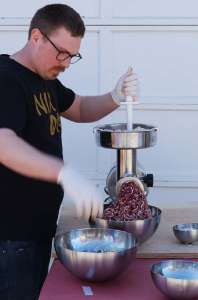

Few tools change the home processing experience as dramatically as a quality meat grinder. Once you begin breaking down a deer, you quickly realize how much of the animal is destined for burger, sausage, chili meat, or jerky. Without the right grinder, that process becomes slower, warmer, and far more labor intensive than it should be.
Power matters more than many first-time buyers expect. Undersized machines struggle to maintain consistent speed, which creates heat and softens fat — two things that can compromise texture and flavor. A well-built grinder, on the other hand, moves through batches efficiently while keeping the meat in excellent condition.
There is also a shift in mindset that happens once a dependable grinder becomes part of your system. Trim stops looking like leftovers and starts looking like an opportunity. Suddenly, you’re experimenting with burger blends, crafting your own sausage, and making better use of the entire animal.
If you’re unsure what separates a machine that lasts from one that frustrates, there’s a detailed breakdown of the best meat grinders for wild game that walks through the features serious hunters rely on season after season.
Simply put, if you plan to process your own deer with any regularity, a grinder isn’t just helpful — it’s foundational.
Proper Storage Starts With a Vacuum Sealer
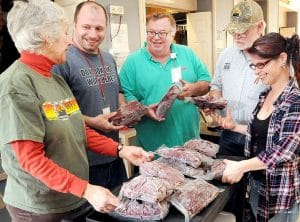

Long after the cutting and grinding are finished, your work can still be undone by poor packaging. Freezer burn is more than an inconvenience; it quietly strips moisture, flavor, and tenderness from meat that may have been handled perfectly up to that point.
This is why seasoned processors often describe a vacuum sealer as one of the smartest purchases they ever made.
By removing oxygen before the meat hits the freezer, vacuum sealing dramatically slows deterioration and preserves the qualities that make venison worth serving in the first place. Steaks maintain their color. Burger tastes fresher months later. Organization improves because clean, tightly sealed packages stack efficiently and thaw predictably.
Hunters who rely on traditional wrapping methods often find themselves rushing to eat meat before quality slips. With a vacuum sealer, that pressure disappears. Properly packaged venison can remain in excellent condition well beyond a single season when stored at consistent freezer temperatures.
If you want guidance on choosing a model built to handle heavy processing days, here’s a guide to the best vacuum sealers for hunters, where we break down the machines that combine durability with long-term value.
When it comes to protecting your harvest, few tools deliver a bigger return.
Sharp Knives Are the Most Underrated Advantage in the Room
Ask anyone who has processed multiple deer in a single weekend, and they’ll tell you the same thing: sharp knives reduce fatigue, improve precision, and make the entire process safer.
Dull blades force you to push harder through muscle groups, backstraps, and connective tissue, increasing the chances of slips while also damaging the clean lines that separate premium cuts from grind piles. A razor-sharp boning knife, by contrast, glides along natural seams, allowing you to recover more usable meat while keeping silver skin and debris to a minimum.
Equally important is maintaining that edge throughout the day. Pausing to hone your blade may feel like lost time, but it often saves far more by keeping each cut efficient and controlled.
Over time, many hunters refine their knife kits to match their workflow, but the principle remains the same regardless of brand or style: sharp steel protects meat quality just as much as any powered piece of equipment.
It’s a simple advantage — yet one that separates stressful processing days from satisfying ones.
A Dehydrator Helps You Waste Less and Enjoy More of Your Harvest
Every deer produces pieces that don’t quite fit into the category of steaks or roasts, yet those smaller cuts hold tremendous potential. A dependable dehydrator turns what might otherwise be overlooked into flavorful, shelf-stable food that rarely lasts long once family and friends discover it.
Jerky has always been part of hunting culture, but modern dehydrators have made the process more consistent and far less dependent on guesswork. Controlled airflow and steady temperatures allow you to process large batches confidently, creating high-protein snacks ideal for long sits, road trips, scouting days, or quick meals between seasons.
More importantly, dehydrating encourages fuller use of the animal — something most hunters take pride in. Wasting less isn’t just practical; it reflects respect for the harvest.
If adding one to your setup is on the horizon, start with the best dehydrators for wild game, which highlights the models built to handle serious workloads without monopolizing your kitchen.
Many hunters consider a dehydrator an upgrade at first. Before long, they wonder how they ever processed deer without one.
Create a Venison Processing Space That Works With You
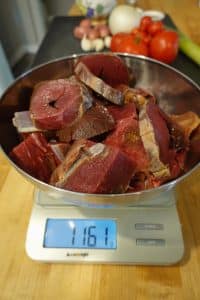

Where you process your deer matters more than many hunters realize. Even the best equipment struggles to compensate for a cramped, poorly lit, or disorganized workspace, while a thoughtfully arranged area can make the entire process faster, cleaner, and far more enjoyable.
You don’t need a professional butcher shop to handle venison properly, but you do need a space that allows you to work efficiently without constantly fighting your surroundings. For many hunters, that space ends up being a garage, pole barn, insulated shed, or even a well-prepared basement. What matters most is not the size — it’s the functionality.
Temperature should be your first consideration. Venison is dramatically easier to cut and grind when it stays cold, and maintaining lower ambient temperatures reduces the risk of spoilage during longer processing sessions. If you’ve ever tried trimming meat in a warm room, you know how quickly things can become frustrating. Fat softens, cuts lose their definition, and what should have been clean work turns unnecessarily difficult. Whenever possible, aim for conditions below 40 degrees. Late-season processing naturally helps with this, but early archery hunters often find that working during the coolest overnight or early morning hours makes a noticeable difference.
Lighting is another factor that rarely gets attention until it’s missing. Breaking down a deer requires precision, and shadows can hide silver skin, hair, or debris that you’d otherwise remove. Bright overhead lighting paired with a movable task light lets you see muscle groups clearly and recover more usable meat. It’s a simple upgrade that pays dividends immediately.
Just as important is your work surface. Large, stable tables give you room to separate cuts, organize trim, and move confidently from one stage to the next without constant rearranging. Stainless steel is ideal for sanitation, but many hunters successfully use heavy-duty folding tables topped with food-safe cutting boards. The goal is stability and easy cleanup, not perfection.
Speaking of cleanup, water access changes everything. Being able to rinse knives, wash hands, and manage small messes as they happen keeps your workflow uninterrupted and your meat cleaner. If running water isn’t available in your processing area, even a utility sink nearby is worth its weight in convenience.
As your setup evolves, organization becomes the quiet advantage you appreciate more each season. Keeping tubs or containers designated for specific cuts prevents the all-too-common shuffle of moving meat from place to place while searching for room. One container for grind, one for roasts, one for steaks — simple systems reduce mistakes and help the day progress smoothly.
Many experienced hunters eventually position a chest freezer close to their processing area, and once you’ve done it, you’ll understand why. The ability to transfer finished packages immediately helps preserve temperature and eliminates the risk of meat warming while you carry loads across the house or property.
What surprises many hunters is how quickly a well-designed space builds confidence. Instead of reacting to problems, you move through each step with purpose. The work feels less chaotic, fatigue sets in later, and the quality of the final product reflects that control.
You don’t have to build the perfect processing room overnight. Start with a space that prioritizes cleanliness, visibility, and temperature, then improve it season by season. Most setups grow organically as hunters recognize small friction points and solve them before the next tag is filled.
Because when your workspace supports you instead of slowing you down, processing stops feeling like an obligation — and starts becoming one of the most satisfying traditions that follows a successful hunt.
Common Venison Processing Mistakes That Cost Hunters Meat
Most hunters spend countless hours preparing for the season — tuning bows, checking rifles, hanging stands, and studying movement patterns — yet surprisingly little attention is given to what happens after the tag is filled. The truth is, more venison is compromised during processing than most hunters would ever care to admit. Often, it’s not due to negligence, but simple oversights that quietly impact flavor, texture, and overall quality.
The encouraging news is that nearly all of these mistakes are preventable once you recognize them.
One of the most common missteps begins with temperature. Venison demands respect for the cold chain from the moment the animal is recovered. Allowing meat to warm during transport or trimming makes it harder to cut cleanly and accelerates bacterial growth. Meat that stays cold remains firm, easier to handle, and far more forgiving throughout the process. Experienced processors understand that patience early on protects quality later.
Another frequent error is relying on dull knives. It may seem like a minor inconvenience, but a blade that struggles to separate muscle groups often leads to jagged cuts, wasted meat, and unnecessary fatigue. Sharp steel allows you to follow natural seams, recover more usable venison, and maintain the integrity of premium cuts. Many seasoned hunters would argue that knife maintenance is just as important as any powered equipment in the room.
Packaging mistakes are equally costly, though the consequences usually aren’t discovered until months later. Air is the enemy of frozen meat, and traditional wrapping methods often leave small pockets that invite freezer burn. Few things are more frustrating than thawing what should have been a beautiful roast only to find its flavor diminished. Proper sealing protects not just the meat, but the effort behind the harvest — which is why so many hunters eventually view a dependable vacuum sealer as essential rather than optional.
Rushing the process is another trap, especially after a long recovery or a late night in the field. Fatigue tempts hunters to push through trimming and packaging simply to be finished, but haste rarely rewards you on processing day. Taking the time to remove silver skin, separate cuts carefully, and keep your workspace orderly pays dividends every time a package is opened later in the year. Venison handled with patience almost always finds its way to the table with pride.
Many hunters also underestimate the value of organization. Without a simple system for sorting steaks, roasts, and grind, the workspace can quickly become cluttered, forcing constant reshuffling of meat. Not only does this slow progress, but it can also raise meat temperatures unnecessarily. Something as straightforward as designated containers for different cuts keeps the workflow moving and minimizes handling.
Perhaps the most overlooked mistake, however, is failing to make full use of the animal. Trim that could become excellent burger, sausage, or jerky is too often discarded because the hunter lacks either the equipment or the plan to process it efficiently. Yet maximizing your harvest is about more than practicality — it reflects the respect owed to the animal and the tradition itself. Tools like a reliable grinder and a capable dehydrator exist for precisely this reason, turning what might otherwise be wasted into meals that last well beyond the season.
What separates confident home processors from frustrated ones is rarely experience alone. More often, it comes down to preparation, patience, and the willingness to treat venison with the same care you would give any premium meat.
Avoid these common pitfalls, and you’ll notice the difference immediately — cleaner cuts, better flavor, longer freezer life, and the quiet satisfaction that comes from knowing your harvest was handled the right way from beginning to end.
How Much Does a Home Venison Processing Setup Really Cost?
For many hunters, the idea of building a home processing setup begins with one simple question: is it actually worth the investment? With commercial processing fees climbing steadily in many regions, that question deserves an honest answer.
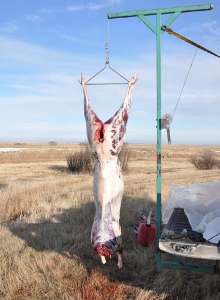

Today, basic deer processing commonly runs anywhere from $120 to $200 per animal, depending on your location and the cuts requested. Add specialty sausage, snack sticks, jerky, or vacuum sealing, and the total can climb quickly. In some areas, a fully processed deer can push well past $250 before you ever pick up a package.
Against that backdrop, the cost of core equipment starts to look far more reasonable.
A dependable mid-range meat grinder built for wild game often falls in the few-hundred-dollar range. A quality vacuum sealer designed to handle heavy batches sits in a similar bracket, with models available at multiple price points depending on features and capacity. Add in solid knives, food-safe work surfaces, and storage containers, and a serious but practical setup can often be assembled for the equivalent of processing just a handful of deer commercially.
The math becomes even clearer when you consider longevity. Good equipment doesn’t wear out in a single season. A well-built grinder can handle years of processing. A durable sealer continues protecting meat long after the initial purchase. Spread across multiple seasons — or shared among family members — the cost per deer drops dramatically.
But the financial side only tells part of the story.
Many hunters who initially make the switch for cost savings quickly discover the real return comes in quality control. You decide how much silver skin to remove. You determine burger blends and fat ratios. You package steaks the way you prefer, label them clearly, and know exactly how long they’ve been in the freezer. That level of ownership is difficult to assign a dollar value to.
There’s also a practical advantage during peak season. In busy regions, processor turnaround times can stretch into weeks. Handling your own deer eliminates scheduling delays and ensures your harvest is cooled, trimmed, and packaged on your timeline — not someone else’s.
None of this means commercial processors don’t serve an important role. Many do excellent work. But for hunters who consistently fill tags or simply want full control over their harvest, investing in a home setup often pays for itself sooner than expected.
More importantly, it pays dividends every time a package of venison comes out of the freezer months later and tastes exactly as it should.
Build a Venison Processing System, Benefit for Seasons to Come
Creating the ultimate home venison processing setup isn’t about chasing perfection or filling your workspace with every new piece of equipment on the market. It’s about building a dependable system that protects the quality of your harvest and allows you to handle each deer with the care it deserves. When the fundamentals are in place — cold meat, sharp tools, organized workflow, and reliable storage — the entire process becomes smoother, more efficient, and far more rewarding.
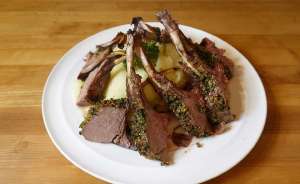

What often surprises hunters is how quickly that investment begins to pay off. Yes, there are financial savings over time, especially for those who consistently fill tags. But the greater return shows up months later, when you pull a package from the freezer and remember exactly where it came from, how it was prepared, and the work that went into doing it right.
Processing your own venison also deepens the connection to the hunt itself. It extends the experience beyond the moment of the shot and reinforces a responsibility that has always been central to hunting — providing food with intention and respect. Each carefully wrapped cut becomes a reminder that success in the field carries through to the table.
You don’t need to build the perfect setup overnight. Start with the essentials. Improve your space as seasons pass. Upgrade equipment when it makes sense. Like any worthwhile part of hunting, mastery develops over time.
Eventually, what once felt intimidating becomes second nature.
And when your freezer is filled with clean, well-packaged venison you handled from beginning to end, you may realize something many experienced hunters already know:
The hunt doesn’t truly end in the field.
It ends when you can serve that meat with confidence.