




Wildlife tracking is more than looking for animal footprints in the mud. It is a powerful way for students to slow down, notice details, ask questions, and understand the natural world around them. In a world full of screens, fast answers, and constant noise, wildlife tracking gives students something rare: the chance to truly pay attention.
When students follow animal tracks, study broken twigs, listen for bird calls, or notice marks on tree bark, they are doing more than having fun outdoors. They are training their minds to observe carefully. They begin to see nature like a storybook, where every clue has meaning. A footprint becomes a sentence. A feather becomes a question. A trail through the grass becomes a mystery waiting to be solved.
What Wildlife Tracking Teaches Students About Seeing Clearly
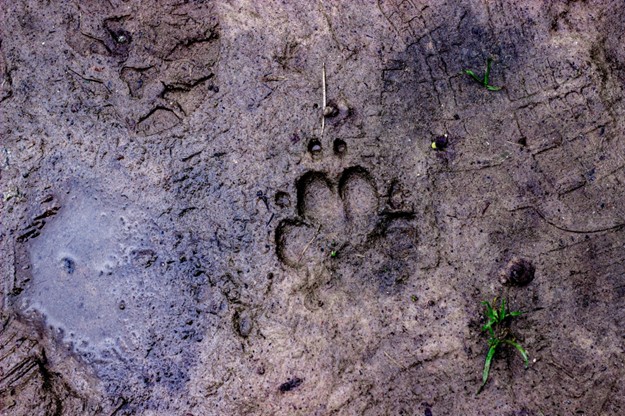
Observation is not just “looking.” Many people look at things without really seeing them. Wildlife tracking teaches students the difference. When a student studies an animal track, they must notice its size, shape, depth, direction, and pattern. Is it from a bird, a fox, a deer, or a dog? Was the animal walking, running, or stopping to feed? These questions push students to look more closely.
This kind of focused attention helps students build strong observation skills because it trains them to notice small changes. For example, two tracks may look the same at first, but one may show claws while the other does not. One may be round, while another is long and narrow. These tiny differences matter. They teach students that details can change the whole meaning of what they see.
Wildlife tracking also helps students become more patient. Nature does not always give quick answers. A student may need to sit quietly, watch carefully, and wait. This patience is valuable in school and life. Whether students are reading a difficult text, solving a math problem, or doing a science experiment, the ability to slow down and focus is a major strength. However, some school assignments can be so challenging that students may struggle to complete them fully on their own, and when they need extra guidance, support from teachers, tutors, or asking professionals, “Can you do my excel homework online?” can help them understand the task better and improve their own skills. In this way, patience and support work together, helping students grow step by step instead of feeling lost or giving up too soon.
In many ways, wildlife tracking is like detective work. Students gather clues, compare evidence, and make thoughtful guesses. They learn that strong observation is not about jumping to conclusions. It is about asking, “What do I see? What could it mean? What else should I check?”
How Animal Signs Turn Nature Into a Living Classroom
A forest, park, garden, or schoolyard can become a living classroom when students learn how to track wildlife. They begin to understand that animals leave signs everywhere. These signs may be obvious, like footprints in snow, or very subtle, like a half-eaten leaf or a small tunnel through grass.
Wildlife tracking makes outdoor learning exciting because students are not just reading about animals in a textbook. They are seeing real evidence of animal life. This makes learning feel active and personal. Instead of saying, “A rabbit lives here,” students can say, “I think a rabbit passed through here because I see small tracks and chewed plants.” That shift is important. It moves students from passive learning to active discovery.
Tracks, Trails, and Tiny Clues
Animal tracks are often the first thing students notice, but they are only one part of wildlife tracking. Students can also observe trails, nests, burrows, droppings, feathers, fur, scratches, and feeding marks. Each sign gives them more information.
For example, a narrow path through tall grass may show where small animals travel often. Scratches on a tree trunk may suggest that an animal climbed or marked the area. A pile of cracked shells may show where a bird or mammal ate a meal. When students connect these clues, they begin to understand animal behavior.
This process builds observation skills because students must compare what they see with what they already know. They may ask, “Would a squirrel leave this sign? Could it be a bird? Is this track fresh or old?” These questions help students think more deeply and carefully.
Sounds, Smells, and Movement
Wildlife tracking is not only about the eyes. Students also learn to use their ears, noses, and sense of movement. A sudden bird call, a rustle in the leaves, or the smell of damp soil can all provide useful information.
When students listen carefully, they may notice that birds sound different when a predator is nearby. When they watch quietly, they may see insects moving under leaves or squirrels using the same route across tree branches. This kind of multi-sensory learning strengthens attention and memory.
It also helps students become more present. Instead of rushing through the outdoors, they start to tune in. Nature becomes less like background scenery and more like a conversation.
Why Tracking Builds Patience, Focus, and Critical Thinking
Strong observation skills depend on patience and focus. Wildlife tracking naturally develops both. Students cannot track animals well if they are distracted or careless. They must stay alert, notice patterns, and think about what each clue might mean.
This is especially useful for students who learn best through hands-on experiences. Some students may struggle to sit still in a classroom, but outdoors they may become deeply engaged. Tracking gives them a clear purpose. They are not just walking around; they are searching, comparing, predicting, and discovering.
Wildlife tracking also builds critical thinking. Students learn that the first answer is not always the correct one. A mark in the mud might look like a deer track, but closer study may show it was made by a dog. A hole in the ground might seem like a snake burrow, but it could belong to a small mammal. Students learn to test their ideas instead of guessing too quickly.
This skill connects directly to science education. Good scientists observe before they explain. They collect evidence, form hypotheses, and revise their ideas when new information appears. Wildlife tracking teaches this process in a natural and memorable way.
In addition, tracking helps students understand cause and effect. If they see many tracks near water, they may realize animals visit that spot to drink. If they find chewed leaves near a burrow, they may connect food sources with shelter. These simple discoveries help students see how ecosystems work.
The Role of Wildlife Tracking in Outdoor Learning and Science Skills
Outdoor learning becomes more meaningful when students practice wildlife tracking. It gives them a reason to explore and observe carefully. Instead of simply being told that animals live in an area, students find evidence for themselves. This makes learning feel real.
Wildlife tracking supports many science skills. Students can measure tracks, record observations, draw field sketches, compare patterns, and discuss possible explanations. They can also keep nature journals, which improves both writing and scientific thinking. When students write what they notice, they become more aware of details.
For example, a student might write, “I found three small tracks near the edge of the pond. They were about two centimeters long and pointed toward the reeds.” This kind of note-taking encourages accuracy. Students learn to describe what they actually see, not just what they think they see.
Wildlife tracking can also improve communication skills. Students often work in pairs or groups, sharing observations and debating ideas. One student may notice the direction of a trail, while another may notice the depth of the tracks. Together, they build a stronger understanding.
This teaches an important lesson: observation is often better when people work together. Different eyes notice different things. In this way, wildlife tracking supports teamwork and respectful discussion.
It also helps students care more about nature. When they discover that animals live nearby, even in a small schoolyard or city park, they begin to see the environment as alive and valuable. A patch of mud is no longer just mud. It is a record of movement. A fallen log is no longer just old wood. It is a home, a shelter, and a feeding place.
Simple Ways to Practice Wildlife Tracking Safely
Teachers and parents can introduce wildlife tracking without needing a deep forest or special equipment. A local park, garden, beach, riverbank, or schoolyard can offer many opportunities. The key is to help students slow down and observe with care.
A simple nature walk can become a tracking activity when students are asked to look for signs of animal life. They can search for footprints, feathers, nests, insect holes, chewed leaves, or animal trails. They can sketch what they find and describe it in their own words.
Safety is important. Students should observe without touching unknown droppings, nests, bones, or wild animals. They should keep a respectful distance and avoid disturbing habitats. Wildlife tracking should teach care, not control. The goal is to understand animals, not bother them.
Students can also use simple tools such as notebooks, pencils, rulers, magnifying glasses, and cameras. These tools help them record details and compare observations later. However, the most important tool is attention. Even without equipment, students can learn a lot by looking closely and asking thoughtful questions.
Teachers can connect wildlife tracking to classroom lessons in science, writing, art, and geography. Students might create animal track charts, write short stories based on clues, map animal movement, or research local species. This makes wildlife tracking useful across different subjects.
Parents can support this skill at home by encouraging children to notice nature during everyday walks. They can ask simple questions like, “What do you think made that mark?” or “Why do you think the birds are making that sound?” These questions invite curiosity without giving away all the answers.
Wildlife tracking helps students build strong observation skills because it turns the natural world into a place of wonder, evidence, and discovery. It teaches them to slow down, notice small details, think carefully, and respect living things. In a fast-moving world, these skills are like a compass. They help students find direction, not only in nature but also in learning and life. When students learn to read the signs of wildlife, they also learn to read the world with sharper eyes, calmer minds, and deeper curiosity.