



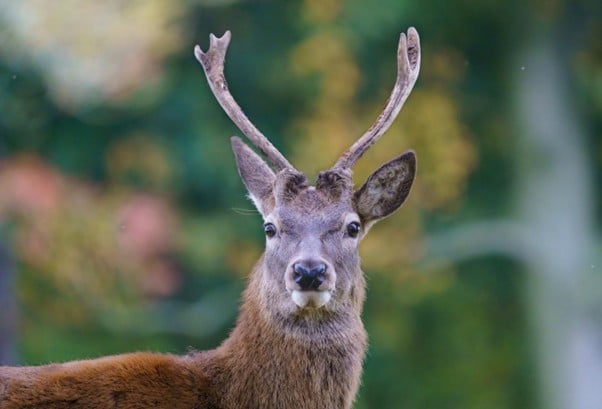
Deer season often looks calm from a distance. A hunter sits on a stand and waits, hoping a buck steps into the lane. Yet the woods hold many small forces that push and pull on a rifle’s behavior. Wind shifts. Moisture settles on steel. Cold air thickens grease in the action. Each factor changes how a rifle works in the field. A shooter who ignores these details may blame poor aim or bad luck. In truth, many misses start with the field conditions that can impact rifle performance.
A deer rifle works best on a calm range with dry air and steady light. Deer season rarely offers that comfort. The forest throws new tests at a hunter each hour. A good hunter reads those signs. The rifle then becomes a tool that works with the woods rather than against them.
Design Features That Help a Rifle Handle Rough Ground
A rifle begins its work long before a hunter climbs into a stand. Design matters. Weight, stock shape, and barrel quality affect how the gun behaves in rough country.
Many hunters talk about accuracy in simple terms. They focus on groups at one hundred yards. Yet design tells a deeper story. A seasoned hunter studies what makes a rifle truly reliable during long days on a ridge or in a damp bottom. A solid action feeds cartridges with smooth motion. A stiff barrel holds its point of impact through heat and cold. A stock that fits the shoulder keeps recoil steady and predictable.
A hunter also notices balance. A rifle that tips forward in the hands grows tiring during a slow stalk. Fatigue then sneaks into the shot. A balanced rifle rides well against the shoulder and settles fast when a buck steps into view.
Durable finishes also play a role. Blued steel looks fine in the safe. Wet brush and freezing fog test that finishes in the field. Stainless steel and coated parts resist rust and keep the action smooth through bad weather.
Triggers deserve attention as well. A crisp trigger lets a hunter break the shot without pulling the muzzle off target. Grit or creep in the trigger adds movement at the worst moment. The difference may measure only inches, yet inches decide many deer hunts.
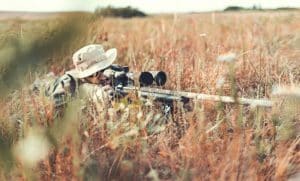
Moisture and Cold Air Change the Way Metal Moves
Morning frost sits on leaves and rifle barrels across much of deer country. Moisture usually does a lot more than soak boots. It works into the rifle itself.
Water can creep into small spaces in the action. A hunter who walks through wet grass may not notice the moisture until the bolt feels stiff. That small change slows the follow-up shot. Rust also begins its quiet work when steel stays damp for long periods.
Cold air adds another twist. Metal contracts in low temperatures. Grease thickens. A bolt that feels slick at home may drag when the thermometer drops before dawn. Hunters who use heavy oil in the action often feel this change first.
A careful hunter prepares for these shifts. Light lubricant works better during cold months. Regular cleaning removes moisture before rust begins its slow attack. A simple wipe with a cloth at the end of the hunt protects both steel and accuracy.
Scopes react to the weather as well. Temperature swings may cause small changes in internal parts. Cheap mounts sometimes loosen during long walks over rough ground. The result shows up at the worst moment, when a buck appears at the edge of the clearing.
These small issues build pressure on the rifle. Over time, they shape the field conditions that can impact rifle performance during a hunt.
Weather Patterns Shape Deer Movement and Shooting Situations
Weather affects more than the rifle itself. It also changes how deer move across the land. That shift alters the kind of shot a hunter may face.
A common belief among deer hunters is that unusually warm weather suppresses deer movement and that below-average temperatures stimulate deer movement, according to the National Deer Association. That idea makes sense, but only in theory, as cooler air keeps animals active for longer hours. Warm afternoons push deer into shade and cover.
Deer respond to pressure, food sources, and daylight changes. A warm front may still produce good movement at dawn. A cold snap may leave the woods quiet for hours. Hunters who rely on weather rules alone may feel confused by the results.
These patterns matter for rifle use. When deer move less, a hunter may face longer shots across open ground. When movement increases, chances often appear in thick cover with short windows for a clean shot.
Wind also enters the scene. Gusts push a bullet off its path over a long distance. A steady crosswind requires small adjustments in aim. Many hunters practice on calm ranges and forget this step. The woods then offer a lesson.
Terrain and Shooting Position Influence Accuracy
The shooting bench teaches many hunters how their rifle performs. The forest teaches something else.
Uneven ground forces the body into awkward angles. A hunter may kneel behind a fallen log or lean against a tree trunk. Each position changes how the rifle rests against the shoulder.
Steep hillsides create special problems, as gravity will pull the hunter forward or backward. Balance becomes harder to maintain. A small change in posture can move the muzzle several inches off target.
The brush also interferes with the shot. Thin twigs in front of the barrel may deflect a bullet. Many hunters learn this lesson after a clean miss on a broadside buck. The bullet struck a branch that seemed harmless at first glance.
Light conditions deserve a mention as well. Dense forest shadows blur the edges of the target. A scope gathers light, yet poor contrast may hide the exact point of aim. A hunter must take a calm moment to confirm the sight picture.
Good preparation helps. Hunters who practice from field positions gain control over these problems. They learn how their rifle behaves when the body bends or twists. The knowledge turns a difficult shot into a steady one.
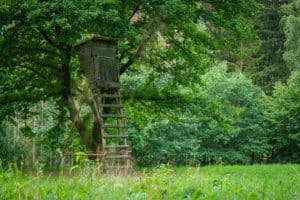
Human Factors Tie the Whole System Together
A rifle never fires itself. The hunter forms the final link between the tool and the target.
Fatigue builds after hours in cold air. Fingers grow stiff. Gloves reduce trigger feel. A hunter who climbs several ridges may breathe hard when a deer appears. Each condition affects the shot.
Adrenaline also plays its role. A buck with wide antlers can raise the heart rate in seconds. The rifle may feel heavier than usual. Small movements grow harder to control.
Experience teaches patience. A veteran hunter slows the moment. He checks the rest point of the rifle. He controls breathing. Then he presses the trigger with steady pressure.
Preparation before the season builds this calm response. Regular practice keeps muscle memory sharp. Equipment checks remove doubt about the rifle’s condition. Confidence then replaces hesitation when the opportunity arrives.
The Shot Is Never Just the Shot
Deer hunting rewards careful attention to detail. A rifle may shoot tight groups on a calm range. The woods introduce many new elements. Moisture touches metal. Cold air thickens lubricants. Wind shifts the bullet in flight. Uneven ground tests the hunter’s balance and posture.
These small forces combine into the field conditions that can impact rifle performance during deer season. Hunters who understand them gain a clear advantage. They maintain their equipment, study the weather, and practice from realistic positions. The rifle then works as a steady partner in the hunt.
A quiet morning in the deer woods holds many unknowns. A prepared hunter meets them with confidence, one careful shot at a time.

Per our affiliate disclosure, we may earn revenue from the products available on this page. To learn more about how we test gear, click here.

