



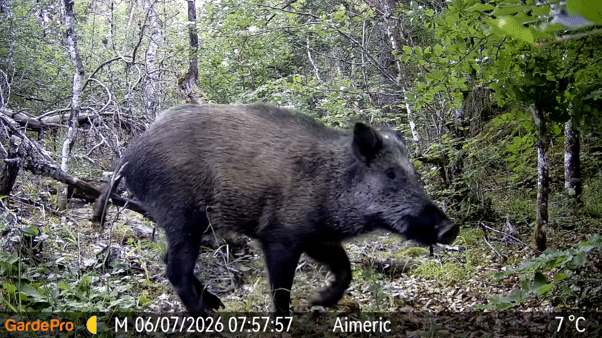
A successful hunt is often decided long before opening day. Before a hunter ever steps into the woods, many important decisions have already been made: which areas are worth hunting, when animals are most active, and where a realistic opportunity may exist.
The challenge is that wildlife movement is constantly changing. An area that looks promising during a preseason walk may not receive regular activity, while a less obvious location may become valuable when conditions change.
This is where trail cameras become an important part of the scouting process. By continuously collecting photos and videos, a trail camera gives hunters a better understanding of how animals are using an area when they are not there. It helps answer important questions:
- Are animals regularly passing through this location?
- What time of day does activity occur?
- Are movement patterns changing as the season approaches?
A trail camera does not replace hunting experience or time spent in the field. Instead, it provides information that helps hunters make smarter decisions, reduce wasted effort, and spend more time in locations with a better chance of creating a shot opportunity.
The connection is simple:
Trail camera data → Better understanding of animal movement → Better hunting decisions → More realistic shot opportunities
1. Confirm Where Animals Are Actually Moving
A location may look promising based on tracks, sign, or personal observations, but assumptions are not always accurate. A trail camera for hunting provides evidence of whether animals are regularly using a particular area and how often they pass through.
That distinction matters. One deer seen during a preseason walk does not necessarily make a location worth prioritizing. Repeated camera images can show whether movement is consistent or whether the earlier observation was simply a one-time event.
A deer scouting camera can help hunters compare activity between several locations. One site may produce frequent images but mostly after dark. Another may show fewer total photographs but more movement during morning or evening hours. The second location may offer more realistic hunting potential, even though it appears less active at first glance.
The goal is not to find a guaranteed “hot spot.” It is to determine which areas provide enough evidence to deserve attention when hunting season begins.
2. Understand When Shot Opportunities Are Most Likely
Knowing where deer move is only part of the decision. Timing is just as important.
Trail camera images can help hunters observe activity during:
- Early morning
- Evening
- Midday
- Nighttime
- Different stages of the season
This information helps separate activity that is observable from activity that is only occurring when no hunter is present. For example, a camera may show regular nighttime movement near a food source but very little activity during legal shooting hours. That location may still be useful for understanding the property, but it may not be the best choice for a morning or evening hunt.
Seasonal timing can also change. Deer may use an area differently before the rut, during the rut, or after several weeks of hunting pressure. Camera records give hunters a way to notice those changes instead of assuming that an early-season pattern will continue indefinitely.
However, camera data shows past behavior—not a promise about future movement. Weather, pressure, food availability, and wind can all change how deer use an area. The information is most useful when it helps hunters prepare for likely conditions while remaining flexible.
3. Use Camera Data to Choose Better Hunting Locations
Before the season, hunters often have more possible locations than time available. Trail cameras help establish priorities.
A hunter might monitor a food source, water source, field edge, or travel route and compare the number and timing of deer observations. The camera does not announce that one location is guaranteed to produce a shot. It simply provides a more informed basis for choosing between several reasonable options.
This is especially helpful on larger properties. Rather than dividing time equally among every area, hunters can focus their preparation on locations with more consistent activity or better daylight movement. They may also identify places that should be left alone because the available information does not support hunting them yet.
Good hunting decisions often come from eliminating weak options. A camera can show that an attractive location receives little activity, that movement occurs mostly at night, or that deer have shifted elsewhere. Learning this before opening day can prevent wasted sits and unnecessary disturbance.
4. Analyze Patterns, Not Individual Photos
One photograph tells you what happened once. Repeated observations provide a better idea of what is happening regularly.
This is where experienced trail camera tips for hunters become important. Avoid building an entire plan around a single buck photo or one unusually active evening. Instead, review images over time and look for:
- Repeated activity at similar times
- Consistent movement direction
- Changes from week to week
- Differences between morning and evening movement
- Activity under different weather conditions
The date and time on each image are often more useful than the animal itself. A series of photographs showing deer passing through during the same part of the day provides stronger evidence than a large number of nighttime images.
It is also important to consider changing conditions. If food availability changes, nearby farm activity increases, or hunting pressure begins on neighboring properties, old patterns may become less relevant. Camera data should be treated as a record that needs regular interpretation, not as a permanent prediction.
5. Reduce Disturbance While Gathering Information
One of the main advantages of trail camera scouting is that it allows hunters to collect information without constantly entering hunting areas.
Traditional scouting and camera checks can leave scent, create noise, and disturb vegetation. A single visit may have little effect, but repeated trips through the same area can create unnecessary pressure. Human presence may influence animal movement patterns, particularly in places where deer already experience regular disturbance.
Reducing visits is especially useful before the season, when hunters are trying to learn an area without changing it too much. Cameras can remain in place while the hunter studies activity remotely or waits for a clear reason to return.
This approach also helps preserve access routes and hunting locations. Instead of walking through an area simply to see whether anything has changed, the hunter can use camera information to decide whether an in-person visit is worthwhile.
Less disturbance does not mean no disturbance. Installing or moving a camera still requires care. Hunters should avoid unnecessary checks, keep visits brief, and consider wind, noise, and travel routes when entering the area.
6. Use Cellular Trail Cameras When Access Creates Too Much Pressure
Some locations are difficult to monitor without creating more disturbance than the information is worth. They may be far from home, require a long walk to reach, or contain sensitive areas where repeated access could affect animal movement. Checking an SD card also means physically entering the property.
A cellular trail camera helps solve this problem by sending images remotely. Instead of visiting every camera, hunters can review activity from home and decide whether a trip is necessary.
For example, GardePro cellular trail cameras can provide remote image access for hunters monitoring larger or more distant properties. Features such as live view can help confirm what is happening at a location, while GPS tracking and built-in rechargeable power can make long-term monitoring easier by reducing maintenance concerns and the risk of losing track of equipment.
The practical benefit is fewer unnecessary trips. If a camera shows no meaningful activity, a hunter may decide to leave the area alone. If recent images reveal a change that requires attention, the hunter can plan a more purposeful visit instead of checking cameras on a fixed schedule.
Remote access should still be used responsibly. Constantly monitoring images should not lead to frequent field adjustments or impulsive hunting decisions. The purpose is to reduce pressure while improving the quality of information.
7. Use Recent Camera Information Before Opening Day
Old photographs can explain how deer used an area earlier in the year, but recent information is usually more useful for hunting season preparation.
As opening day approaches, hunters should pay attention to changes in:
- Animal activity
- Weather conditions
- Food availability
- Neighboring hunting pressure
- Time of day when movement occurs
A location that was active several weeks earlier may no longer be receiving the same traffic. Likewise, a previously quiet area may become more relevant after conditions change.
Recent images should not be viewed in isolation. They work best when combined with field observations, current weather, wind direction, and knowledge of how the property has changed. The purpose is to enter the season with an updated plan rather than relying entirely on preseason assumptions.
Better Information Leads to Better Hunting Decisions
A trail camera is not a shortcut to a successful hunt. It cannot predict exactly where an animal will be on a future day, and it cannot replace patience, preparation, or knowledge gained from spending time outdoors.
Its value comes from something more practical: information.
By showing where animals are active, when movement occurs, and how patterns change over time, trail cameras help hunters make more informed decisions before and during the season. They allow hunters to spend less time guessing and more time focusing their efforts where conditions are more favorable.
The most effective hunters do not rely on a single photo or chase every piece of information a camera provides. They use trail cameras as a scouting tool — collecting evidence, recognizing patterns, and adjusting their approach when conditions change.
When used correctly, a trail camera becomes more than a device that captures images. It becomes a way for hunters to better understand the animals they pursue and prepare for more realistic shot opportunities when the moment arrives.

Per our affiliate disclosure, we may earn revenue from the products available on this page. To learn more about how we test gear, click here.

