



2026 NA DEER HUNTER RUT REPORT • PRESENTED BY SPYPOINT
The Pre-Rut Transition: Where to Hunt October 16–26
Bed-to-food patterns, fresh scrapes, shifting buck movement and the earliest signs of breeding activity are setting the stage for the next phase of the whitetail rut.
OCTOBER 16–26, 2026
October can be one of the most frustrating stretches of whitetail season. A mature buck that appeared consistently on a food plot in September may suddenly disappear. New scrapes begin showing up along field edges, rub lines become more noticeable, and bucks that previously stayed close to their core areas may begin exploring new ground.
But these changing patterns can also create some of the best hunting opportunities of the month.
The October 16–26 window represents an important transition for many northern whitetail populations. Bed-to-food movement remains valuable, but bucks are increasingly approaching the period when breeding becomes their primary focus. The first receptive does, fresh sign, and changes in travel behavior can provide clues about what’s coming.
Through the 2026 NA Deer Hunter Rut Report Presented by SPYPOINT, we’re using trail-camera footage and hunting observations to help identify the behavioral changes that matter most to hunters.
Here’s what to look for over the next 10 days, how to interpret the signs, and where we would concentrate our hunting efforts.
October 16–26 Rut Report at a Glance
Rut Phase
Pre-Rut
Transition toward seeking behavior
Hunting Focus
Travel Routes
Bedding-to-food corridors and funnels
Key Indicator
Fresh Sign
New scrapes, rubs and changing movement
Best Strategy
Low Pressure
Protect wind, access and bedding cover
Our October Hunting Outlook
Don’t abandon productive bed-to-food patterns just yet. Continue monitoring established travel corridors while paying attention to fresh scrapes, new bucks appearing on camera, and movement between doe bedding areas. Changes in daylight activity may reveal better hunting opportunities as the pre-rut progresses.
Jump to the Rut Report
What Our SPYPOINT Cameras Can Tell Us
Most rut forecasts begin with historical breeding dates. Those dates are valuable, but they don’t necessarily tell us what’s happening on the properties we’re hunting right now.
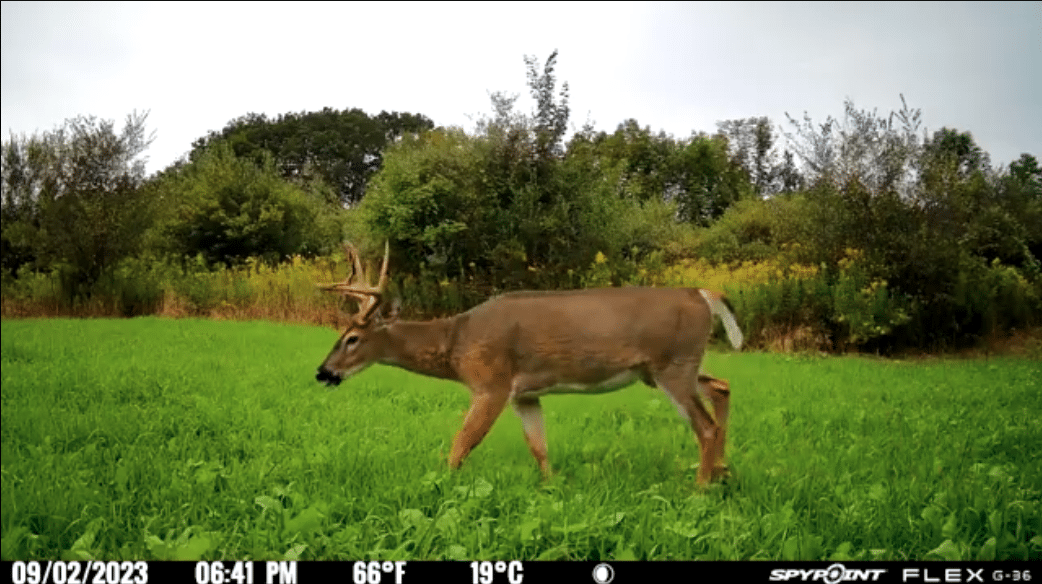
That’s where our trail-camera network becomes especially useful. By monitoring deer activity across North American hunting properties, we can observe individual bucks, compare changing travel patterns, and look for signs that breeding-related behavior is beginning to influence movement.
We’re not simply looking for the biggest buck photograph. We’re looking for changes in behavior. A mature buck appearing before sunset after weeks of nighttime activity may tell us more about a potential hunting opportunity than another impressive midnight picture.
The same applies when an unfamiliar buck appears at a scrape or a familiar deer begins showing up farther from his normal core area.
What We’re Looking for on Camera
Earlier daylight sightings, unfamiliar bucks, changing scrape activity, movement between bedding areas, and repeated appearances near doe groups. Comparing these observations over several days helps distinguish meaningful changes from isolated encounters.
Our 2026 Rut Report video gallery features trail-camera footage showing mature bucks, sparring behavior, feeding activity, and scrape interactions. These encounters provide useful examples of the behaviors hunters should be watching for as October progresses.
Bed-to-Food Patterns: Don’t Abandon What’s Working
Hunters often start thinking about scrapes, rubs, and chasing behavior as soon as the calendar reaches mid-October. But abandoning a productive food-related setup too early can be a mistake.
Deer still need dependable food and secure bedding cover. Standing corn, soybean fields, oak ridges, and green food plots can continue attracting deer throughout this transition, depending on local food availability.
The key is finding the routes deer use between those areas. Mature bucks frequently travel through secure cover before reaching open feeding locations, especially where hunting pressure is increasing.
Where We’d Set Up
Inside field corners: Natural funnels where deer approach agricultural food sources.
Oak ridges: Productive travel routes when acorns are a preferred food source.
Brushy staging areas: Protected cover where deer may pause before entering fields.
Creek crossings: Natural pinch points connecting bedding and feeding areas.
Narrow timber strips: Travel corridors between larger blocks of cover.
Evening hunts can be especially effective on routes leading away from bedding cover. Morning setups deserve more caution, since crossing feeding areas or pushing into bedding cover can alert deer before the hunt begins.
What This Means for Hunters
Don’t leave a consistently productive travel corridor just because a fresh scrape appears somewhere else. Hunt proven movement until your observations suggest it’s time to adjust, and make sure your wind and entry route don’t expose the setup.
SPYPOINT RUT REPORT VIDEO
Big Buck Moves Through a Foggy Morning
Food-related movement can remain productive well into October. Watch footage of a mature buck moving through a foggy feeding area and consider how similar travel routes could influence your stand selection.
The First Does Coming Into Heat: What Changes?
For many northern whitetail populations, peak breeding activity is still ahead. However, the earliest receptive does may begin influencing buck behavior during the latter part of October.
As bucks become more interested in finding receptive does, their movements can become less predictable. A buck that spent September following a consistent evening feeding pattern may begin checking neighboring bedding areas, traveling through unfamiliar corridors, or visiting multiple doe groups.
These changes can create opportunities in locations that weren’t especially productive earlier in the season.
Look Beyond the Food Plot
Instead of concentrating exclusively on feeding locations, identify the trails that connect doe bedding areas. Bucks may begin using those routes as breeding interest increases, particularly where terrain or cover creates natural funnels.
Ridge saddles, creek bottoms, thick transitions between timber stands, and downwind sides of bedding areas deserve attention.
Hunting Tip: Find the Connection
A corridor connecting two secure doe bedding areas may become more productive than a stand directly overlooking a food source. Focus on a route you can hunt without disturbing deer in either bedding area.
SPYPOINT RUT REPORT VIDEO
Two Bucks Square Off as the Rut Approaches
Bucks sparring and competing are familiar signs of fall behavior. Although fighting doesn’t necessarily mean peak breeding has arrived, these encounters illustrate the changing social interactions that hunters may witness as the season progresses.
Scrapes and Rubs: Fresh Sign Starts Telling the Story
Fresh scrapes and rubs can become increasingly noticeable during this stretch. Bucks use rubs and scrapes for communication, and the locations of that activity can help hunters identify travel corridors worth monitoring.
Scrapes beneath overhanging licking branches are especially interesting. Look for recently disturbed soil, fresh tracks, and repeated activity along field edges, logging roads, ridge saddles, and trails connecting bedding cover.
A heavily used scrape doesn’t automatically mean the location will produce daylight sightings. That’s where SPYPOINT trail cameras can provide additional information.
Three Scrape Locations to Monitor
1. Field-edge staging areas: Scrapes near feeding destinations can reveal bucks using protected cover before entering open fields.
2. Interior timber intersections: Scrapes near multiple intersecting trails may help identify routes used by several deer.
3. Doe bedding corridors: Scrapes along routes between bedding groups may become more interesting as bucks increase their travel.
What This Means for Hunters
Treat fresh scrapes as information sources rather than automatic stand locations. A nearby funnel or protected trail leading to an active scrape may offer a better chance at a daylight encounter, particularly when camera activity helps establish a pattern.
SPYPOINT RUT REPORT VIDEO
Big Buck Checks a Scrape
Watch a mature buck investigate a scrape and learn why these locations can be valuable sources of information. The real opportunity comes from identifying when bucks visit and how they travel to and from the scrape.
For additional guidance on using scrape locations to influence buck movement, read our guide to effective mock scrapes for deer hunting.
Why Buck Travel Can Become Less Predictable
One of the most important developments during the pre-rut is the possibility of bucks expanding their movements beyond the routes they followed earlier in the season.
Some bucks begin making longer excursions, investigating additional scrapes, and checking different doe groups. Others remain relatively close to secure bedding cover, particularly when hunting pressure is high.
This variability is one reason trail cameras can be so useful. Instead of assuming every mature buck has disappeared, look for changes in where and when individual deer are being recorded.
If one buck begins showing up on cameras in several parts of a property, consider whether he’s using a natural travel corridor that could provide a better hunting opportunity than his earlier feeding pattern.
A Camera Pattern Worth Investigating
A buck appearing at multiple camera locations during daylight may indicate an expanding travel pattern. Identify the funnels between those cameras and consider whether one offers a low-pressure stand location with a favorable wind.
October 16–26: Your 10-Day Hunting Playbook
The most effective approach to this period is to stay flexible. Instead of following the calendar blindly, use food availability, recent deer sign, wind conditions, and trail-camera information to decide when to adjust your hunting strategy.
Here’s how we’d approach the next 10 days across areas where the pre-rut transition is underway.
These date ranges are suggested tactical priorities rather than fixed biological transitions. Regional breeding timing, weather, food availability, and individual deer behavior can all influence the best approach.
Our Favorite All-Around Setup
A natural funnel connecting secure bedding cover, a dependable food source, and one or more doe travel routes. Prioritize locations with favorable wind and low-impact access. The best stand is often where multiple reasons for deer movement overlap.
Four SPYPOINT Camera Signals to Watch
As the pre-rut develops, the most useful camera information often comes from comparing recent activity against the previous week, rather than judging a location by a single photograph.
1. Earlier Daylight Movement
A buck that previously appeared only after dark begins showing up during legal hunting hours.
2. Unfamiliar Bucks
New bucks begin appearing at established scrapes, food sources, or regularly monitored travel corridors.
3. Greater Travel
The same individual buck begins appearing on multiple cameras across a larger portion of a property.
4. Doe-Related Activity
Bucks increasingly appear near doe bedding corridors or begin following doe groups.
None of these signals alone proves that peak breeding has arrived. However, when several changes occur together, they can provide useful clues about the developing pre-rut.
Don’t Ignore Weather and Pressure
Favorable winds, cooler temperatures, and changing hunting pressure can affect when and where deer move. Weather doesn’t determine the biological timing of the rut, but it can influence whether bucks travel during daylight and whether a particular setup is worth hunting.
What’s Coming Next: Late-October Seeking Activity
The final days of October can become increasingly interesting for whitetail hunters as bucks in many northern populations move closer to the primary seeking and chasing periods.
Our broader 2026 Rut Report identifies October 28 through November 12 as an important projected hunting window for much of the northern whitetail range.
As that period approaches, hunters should monitor for increasing daylight movement, unfamiliar bucks checking established scrapes, and more frequent travel between doe concentrations.
The exact progression varies by region, which is why we encourage hunters to combine local deer observations with a broader understanding of the breeding cycle.
For a more detailed breakdown of the season, read our guide to the seven key phases of the whitetail rut.
The Bottom Line for October 16–26
The October 16–26 stretch is a transition period when dependable bed-to-food patterns can begin intersecting with changing buck behavior. Fresh scrapes, increased movement, and growing interest in doe groups can create new opportunities, but not every buck will follow the same schedule.
Continue hunting productive travel corridors, monitor changes on your SPYPOINT cameras, and stay flexible enough to adjust when daylight activity begins shifting.
Most importantly, protect your wind and keep hunting pressure low. The best opportunity may come from recognizing a small behavioral change before other hunters realize what’s happening.
2026 RUT REPORT • PRESENTED BY SPYPOINT
Follow the Rut as It Happens
The NA Deer Hunter Rut Report follows changing whitetail behavior through our network of SPYPOINT trail cameras, hunting forecasts, and real footage from the field.
See buck sightings, scrape activity, and hunting strategy updates as we approach the most anticipated weeks of deer season.
Presented by SPYPOINT Trail Cameras. Hunting observations and recommendations vary by region and local conditions.
Per our affiliate disclosure, we may earn revenue from the products available on this page. To learn more about how we test gear, click here.

